Qualified Tire Work: Get Back on the Road Safely and Quickly
Skilled tire repairs serve an essential function in safeguarding vehicle security and operation. Experienced technicians undertake thorough inspections to discover assorted tire concerns. From flats to alignment complications, each matter warrants careful focus. Knowing when to turn to professional guidance can prevent ensuing troubles. As drivers confront these hurdles, they may consider the most suitable service options and maintenance standards. Studying these areas can facilitate informed decisions and safer experiences down the road.
Frequent Tire Challenges to Be Aware Of
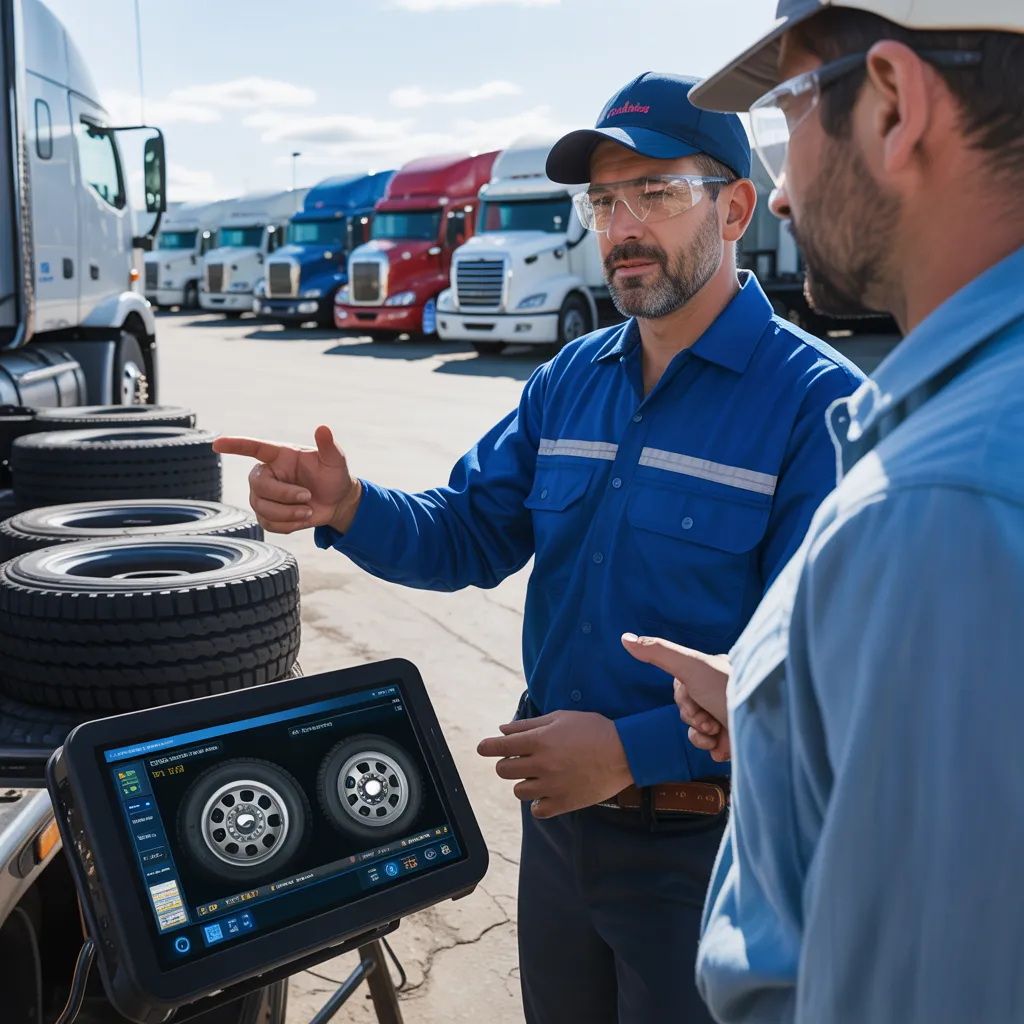
When drivers neglect to monitor their tires, they may encounter several common issues that can compromise safety and performance. One prevalent issue is underinflation, which can result in increased tire wear and lower fuel efficiency. Over time, this can cause the tires to overheat, raising the risk of a blowout. Another common problem is tread wear, which affects traction and handling, particularly in wet conditions. Uneven wear may indicate alignment or suspension issues, requiring further inspection. Additionally, drivers may experience punctures or sidewall damage from road hazards, leading to slow leaks or complete tire failure. Regular tire rotations, inspections, and proper inflation are essential for preventing these issues. Finally, environmental conditions can also cause tire degradation, making it important for drivers to monitor their tire health. By understanding these common problems, drivers can enhance their safety on the road.
When to Identify About Getting Tire Maintenance: A Guide?
constant necessity for topping up also indicates that maintenance may be essential.
Motorists should be mindful of handling and performance changes, such as trembles or pulling to one side, which could indicate tire imbalances or internal damage. Lastly, regularly assessing tread depth is important; tires with worn or bald spots impact traction. By observing these signs, drivers can ensure timely repairs, increasing both safety and vehicle lifespan. Quickly addressing these issues not only stops potential accidents but also reduces more costly repairs later.
What You Should Know About the Tire Restoration Process
The tire maintenance process generally entails several key steps to guarantee safety and efficiency. At first, a technician inspects the tire for apparent damage and judges its entire condition. This examination assists in determining whether the tire can be fixed or must be replaced. After the inspection, the technician might detach the tire from the wheel to detect punctures or internal damage.
Once any problems are identified, the specialist cleans the affected section and readies it for repair. This may include applying a seal or plug, depending on the type and location of the harm. After the repair is completed, the tire is reinstalled and correctly inflated to the manufacturer's requirements.
Finally, a quality check certifies that the correction complies with safety standards. Throughout the journey, mechanics stress communication, informing the buyer of reports and guidance. This structured approach guarantees a reliable repair, allowing commuters to return to the road with confidence.
Do-It-Yourself Tire Service versus Professional Assistance
After grasping the tire fixing procedure, many motorists may consider whether to tackle repairs on their own or seek expert help. DIY tire repairs can be appealing, especially for those with basic technical abilities and equipment. Basic punctures can often be fixed using repair kits obtainable at auto retail stores, saving both hours and cost. However, this approach involves risks if correct techniques are not used, potentially leading learn now in additional harm or security risks.
Conversely, expert tire repair providers present proficiency and cutting-edge equipment. Trained technicians can precisely assess tire deterioration, making sure repairs are dependable and safe. They can also uncover underlying problems that a do-it-yourself method might fail to notice. Ultimately, the decision regarding professional assistance versus DIY repairs copyrights on the driver's confidence, expertise, and the extent of the tire damage. Establishing a thoughtful choice is essential for guaranteeing road safety.
Guide to Selecting the Right Tire Repair Service
How can motorists ensure they choose the top-rated tire maintenance service? First, they should investigate local options, focusing on customer reviews and ratings. This information offers insight into the quality of service and dependability of various shops. Next, checking for certifications and partnerships with recognized automotive organizations can indicate expertise and expertise.
Moreover, drivers should inquire the repair options offered, confirming the service can resolve their distinct tire problems. Honest pricing is also necessary; trusted shops furnish clear quotes without hidden charges.
Additionally, assessing the shop's protection plans on repairs can offer confidence. Finally, practicality is important—location relative to home or work, as well as available hours, can impact the determination. By examining these factors, automobile owners can with certainty opt for a tire repair service that fulfills their needs with success.
Benefits of Consistent Tire Maintenance
Regular tire upkeep provides numerous benefits that extend the lifespan and output of tires. By routinely checking tire pressure, tread depth, and overall condition, vehicle owners can ensure optimal grip and control. Proper inflation reduces wear, improving fuel efficiency and reducing costs at the pump. In addition, routine checks can help identify issues such as uneven wear or harm, enabling for timely repairs that prevent greater issues down the road.
Maintaining wheel tires also boosts safety by minimizing the chance of blowouts or accidents due to insufficient tread. Moreover, a well-maintained set of tires helps provide a smoother ride, improving comfort for both the driver and passengers. By investing time in regular tire care, individuals can optimize the value of their investment, securing reliable performance and peace of mind while driving. To sum up, regular tire maintenance is a key factor in responsible vehicle ownership.
Guidance on Preventing Future Tire Problems
Maintaining tires proactively can markedly reduce the likelihood of future troubles. Often assessing tire pressure is vital; underinflation can lead to premature wear and compromised fuel efficiency. It is advisable to scrutinize tires for visible damage, such as cuts or bulges, which may denote structural concerns. Repositioning tires every 5,000 to 8,000 miles helps guarantee balanced wear, lengthening their lifespan.
In addition, maintaining correct alignment and balancing is important to avoid uneven tread wear. Drivers should also check tread depth, employing the penny test as a practical method; if Lincoln's head is visible, it's time for a new tire. Finally, preventing overloading the vehicle can minimize excessive strain on tires. By utilizing these methods, vehicle owners can boost tire longevity and promote a safer driving experience.

Standard Questions Received
What amount of time is required for a regular tire repair?
A typical tire fix typically requires between 30 minutes to an hour depending on the extent of the damage and the particular repair needed. Factors like technician accessibility and shop workload can also influence the duration.
Is Every Wheel Kind Capable of Being Repaired?
All tire types cannot necessarily be repaired. In general, tread area punctures of passenger tires could potentially be fixed, but damage to the sidewall, severe wear, or tires with various prior repairs frequently necessitate replacement to ensure safety.
Understanding the Expense of Getting Your Tires Repaired?
Tire repair expenses typically range from $10 to $30, contingent on the severity of wear and location. Various factors including tire variety and the service provider could impact your final price tag, making prices vary.
Is Tire Maintenance Protected by Your Insurance Policy?
Tire repair coverage differs across insurance plan. Some policies offer roadside assistance or repair expenses, while others may not. It's essential for people to review their particular coverage information to establish coverage for tire repairs.
How Can I Extend My Tire's Lifespan?
To stretch a tire's lifespan, regular maintenance is paramount. This includes maintaining proper tire pressure, rotating tires frequently, ensuring proper alignment, avoiding overloading, and tracking tread condition for signs of wear or damage.